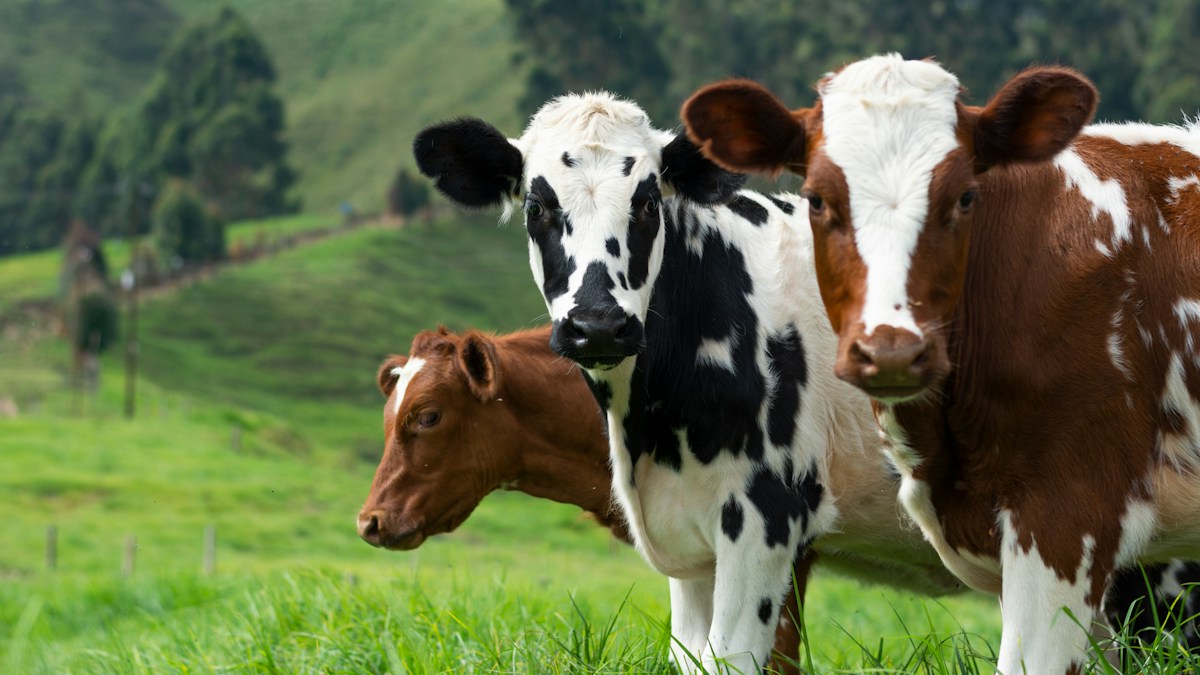
Introduction: The Art and Science of Pasture-Based Dairying
In an agricultural era dominated by capital-intensive confinement barns, computerized total mixed ration mixers, and concrete manure lagoons, pasture-based dairy farming represents an elegant, ecologically powerful alternative. When executed with scientific rigor, Management-Intensive Grazing (MIG)—also known as rotational stocking or mob grazing—transforms cows from passive recipients of mechanically delivered rations into active, solar-powered harvesting agents.
Rotational grazing is not the antiquated practice of turning cows out into large, static pastures to selectively overgraze choice grasses while trampling weeds. It is an exacting biological system that aligns livestock stocking density and residence time with plant physiological rest periods and sward regrowth curves. By optimizing pasture Dry Matter Intake (pDMI), cycling organic nutrients naturally across topsoil profiles, and slashing mechanical fuel, equipment, and housing overhead, intensive rotational grazing offers commercial dairy producers exceptional economic margins and resilient soil health. This comprehensive technical guide analyzes sward morphology, pre- and post-grazing heights, grazing allocation formulas, water infrastructure engineering, and seasonal supplementation strategies for pasture dairy herds.
1. Sward Physiology and the Three-Leaf Stage of Grass Growth
To maximize vegetative quality and perennial sward persistence, the grazier must manage the photosynthetic physiology of cool-season grasses:
The Sigmoidal Regrowth Curve: Lag, Linear, and Senescent Phases
Following a grazing event, grass regrowth follows a characteristic sigmoidal (S-shaped) growth curve. In Phase 1 (Lag Phase), immediately after defoliation, the plant has low leaf area and relies on root-stored carbohydrate reserves to sprout new tillers. In Phase 2 (Linear Phase), rapid canopy expansion maximizes solar interception, driving explosive daily dry matter accumulation rich in crude protein and energy. In Phase 3 (Senescent Phase), the lower leaves become shaded and die, lignification accelerates, structural fiber hardens, and nutritional value plunges. Grazing must occur strictly at the peak of Phase 2.
The Three-Leaf Rule in Perennial Ryegrass (Lolium perenne)
In perennial ryegrass—the world’s premier dairy pasture grass—regrowth is dictated by the Three-Leaf Rule. A ryegrass tiller can maintain only three active living green leaves simultaneously. When the fourth leaf emerges, the oldest first leaf senesces, dies, and decays at the base of the sward, wasting digestible nutrients. Cows must enter paddocks precisely when the sward reaches the 2.5 to 3.0 leaf stage. Grazing before the 2-leaf stage depletes root carbohydrate reserves, weakening the plant; grazing past the 3-leaf stage degrades digestibility.
Target Pre-Grazing and Post-Grazing Residual Heights
Accurate pasture allocation requires measuring sward height and dry matter cover using a rising plate meter (RPM) or calibrated pasture sward stick:
- Target Pre-Grazing Cover: 2,800 to 3,200 lbs DM/acre (approx. 8 to 10 inches / 20–25 cm). Swards at this height are dense, leafy, low in indigestible lignin, and offer maximum bite mass for grazing cows.
- Target Post-Grazing Residual: 1,500 to 1,600 lbs DM/acre (approx. 2 to 2.5 inches / 5–6 cm). Grazing to this residual ensures complete utilization of nutritious vegetative leafy tissue while protecting the plant’s white pseudostem base and carbohydrate reserves, enabling explosive regrowth.
If cows leave residuals higher than 3 inches, the pasture develops woody, clumped thatch and loses leafy density. If cows graze below 1.5 inches, root reserves are exhausted and recovery times double. Consistent residual management is the key to seasonal pasture yields.
2. Calculating Daily Pasture Dry Matter Allocation
Precision grazing requires calculating paddock square footage based on herd dry matter requirements and available pasture cover:
The Mathematical Pasture Allocation Formula
To determine the exact paddock acreage required for a single 12-hour or 24-hour grazing shift, the farm manager applies the standard agronomic allocation equation:
Required Paddock Area (Acres) = [Herd Size × Target Pasture DMI (lbs/head/day)] ÷ [Available Pasture DM (lbs/acre)]
Where Available Pasture DM is strictly: Pre-Grazing Cover (lbs DM/acre) minus Target Post-Grazing Residual (lbs DM/acre).
Practical Allocation Case Example
For a herd of 150 lactating crossbred cows targeted to consume 30 pounds of pasture dry matter per head per day, entering a paddock measured at 3,000 lbs DM/acre pre-grazing and targeted to exit at 1,500 lbs residual:
- Total Daily Pasture Need: 150 cows × 30 lbs DM = 4,500 lbs pasture DM per day.
- Available Pasture per Acre: 3,000 lbs – 1,500 lbs = 1,500 lbs available DM/acre.
- Required Daily Paddock Size: 4,500 lbs ÷ 1,500 lbs/acre = 3.0 Acres per 24-hour shift (or two 1.5-acre breaks for AM and PM shifts).
3. Comparative Nutritional Matrix: Lush Spring Pasture vs. Total Mixed Ration (TMR)
The following nutritional matrix contrasts the biochemical properties, intake dynamics, and metabolic challenges of vegetative pasture versus a confinement TMR:
4. Grazing Infrastructure: Laneways, Mobile Fencing, and Water Systems
Intensive grazing fails without durable, efficient physical infrastructure designed for low-stress cow movement:
Cow Laneway Engineering: Geotextile and Crushed Limestone Surfaces
Lactating dairy cows walking back and forth from pasture paddocks to the milking parlor twice daily can cause severe mud wallows and hoof lameness if laneways are unpaved. Professional laneways are engineered with a crowned 12-to-15-foot-wide roadbed constructed with non-woven geotextile fabric underlay, topped with 6 inches of compacted coarse gravel, and capped with 2 to 3 inches of compacted limestone screenings or crushed stone dust. A smooth, stone-free surface prevents sole bruising and white line separation.
Mobile Temporary Electric Cross-Fencing
Subdividing pastures into daily or 12-hour breaks utilizes high-tensile perimeter fences energized at 6,000 to 8,000 volts, paired with lightweight mobile polywire reels and fiberglass or plastic pigtail step-in posts. A single herdsman can drop a wire and set a new break in under 15 minutes, controlling herd grazing fronts with absolute precision.
Water Paddock Reticulation: Portable Troughs on Quick-Couplers
Cows should never walk more than 600 to 800 feet to reach fresh water. Long treks to a central barn waterer cause cows to move in large mobs, creating aggressive crowding, trashing laneways, and depressing pasture intake. Modern grazing dairies install subterranean high-density polyethylene (HDPE) water pipe networks across all pastures fitted with quick-coupling valves. Portable, lightweight poly water troughs equipped with full-flow float valves are moved alongside the electric cross-wire, ensuring cool, clean water is always within immediate reach.
Mobile Shade Infrastructure and Heat Mitigation on Pasture
In hot summer conditions, lack of shade in open paddocks causes grazing dairy cows to bunch tightly, pant heavily, and stop grazing. Leading graziers deploy mobile shade structures mounted on wagon running gear or skids covered with 80% UV-blocking shade cloth. These mobile shade units are towed with tractors alongside daily pasture moves, distributing shade and dung evenly while preventing pasture destruction beneath permanent perimeter trees.
5. Diagnostic Troubleshooting Guide for Pasture-Based Dairy Herds
Pasture dairy managers resolve common seasonal and nutritional disruptions using this diagnostic protocol:
Issue 1: Spring Frothy Pasture Bloat on Lush Legumes (White/Red Clover)
- Root Cause: Rapid grazing of young, lush clover swards rich in soluble leaf proteins that create a stable, viscous microbial foam in the rumen, trapping fermentation gases and causing severe left-flank distension and asphyxiation.
- Emergency Protocol: Drench affected cows with 250 mL of poloxalene surfactant or mineral oil; feed dry, coarse grass hay before morning turnout to stimulate saliva; and dose pasture drinking water with bloat-preventative surfactants.
Issue 2: Elevated Blood and Milk Urea Nitrogen (MUN > 18 mg/dL)
- Root Cause: Immature pasture contains 25%+ crude protein with 80% rumen-degradable protein (RDP), while lacking fermentable starch. Microbes cannot utilize excess ammonia, forcing the liver to expend energy converting ammonia to urea.
- Nutritional Remedy: Supplement grazing cows in the parlor or feed pad with 8 to 12 lbs of dry ground corn, steam-flaked barley, or hominy feed; provide high-fiber, low-protein dry hay; and lower parlor protein concentrate levels.
Issue 3: Severe Pasture Pugging and Soil Compaction During Heavy Rainstorms
- Root Cause: Leaving heavy cows on saturated clay soils during prolonged downpours destroys sward crowns and creates deep hoof mud ruts that suppress grass recovery for months.
- Emergency Protocol: Activate ‘Sacrificial Stand-Off Pads’ or move herd to a bedded pack barn; provide conserved silage and dry hay until pasture soil drains; and enforce rapid 3-hour ‘on-off grazing’ shifts where cows graze their fill and are immediately removed to hard-standing areas.
Issue 4: Summer Pasture Deficit (‘The Summer Slump’)
- Root Cause: Cool-season grasses (ryegrass, orchardgrass) enter summer dormancy when soil temperatures exceed 75°F (24°C), causing daily pasture growth rates to plunge from 80 lbs DM/acre/day to under 20 lbs.
- Agronomic Remedy: Seed warm-season annual summer crops (sorghum-sudangrass, pearl millet, or brassicas) in dedicated acreage; lengthen rotational resting intervals to 35–45 days; and open supplementary bunker silage pits to fill the feed gap.
6. Frequently Asked Questions (FAQ)
How many acres of pasture are required per dairy cow in rotational systems?
As a general stocking benchmark in temperate, reliable-rainfall climates, intensive rotational dairies allocate 1.0 to 1.5 acres of high-quality pasture per mature lactating cow for the grazing season. In lower-rainfall or non-irrigated regions, stocking rates adjust to 2.0 to 3.0 acres per cow.
What is ‘grass tetany’ and how is it prevented in spring?
Grass tetany (hypomagnesemia) is an acute metabolic deficiency of magnesium occurring when cows graze lush early-spring pastures high in potassium and nitrogen, which block magnesium absorption across the rumen wall. Symptoms include muscle twitching, staggering, convulsions, and sudden death. Prevention requires feeding high-magnesium mineral supplements (containing 50 to 60 grams of magnesium oxide per cow daily) starting 30 days prior to spring turnout.
Can high-producing Holsteins succeed in rotational grazing systems?
While purebred Holsteins can graze, their large body frame and high metabolic drive make them more susceptible to heat stress and pasture walking fatigue. Commercial grazing operations achieve superior profitability by utilizing smaller-framed, agile breeds: Jerseys, New Zealand Friesians, or three-breed crossbreds (Procross / Grazecross).
How does rotational grazing improve soil health and carbon sequestration?
Short pulses of high-density grazing followed by extended 21- to 30-day rest periods allow grasses to develop deep, complex root systems. As cows trample a portion of forage into the soil surface, it feeds earthworms and soil fungi, building stable soil organic matter (SOM) and sequestering atmospheric carbon while recycling animal dung and urine evenly without artificial fertilizer run-off.
What is ‘mob stocking’ or ultra-high density grazing?
Mob stocking involves crowding livestock at extreme densities (e.g., 100,000 to 250,000 lbs of animal liveweight per acre) for very short durations (2 to 4 hours) using frequent wire moves. This forces animals to graze non-selectively, trampling remaining mature biomass into the soil as a protective biological mulch before being moved to fresh ground.
What are the milk fatty acid benefits of pasture-fed dairy products?
Cows grazing fresh green pasture produce milk containing significantly higher concentrations of beneficial conjugated linoleic acid (cis-9, trans-11 CLA) and an ideal 1:1 to 2:1 ratio of Omega-6 to Omega-3 fatty acids, compared to a 6:1 ratio typical of high-grain confinement systems, providing significant premium marketing opportunities for pasture-certified creameries.
How does a rising plate meter (RPM) work?
A rising plate meter features a calibrated round aluminum plate that slides up a central vertical measuring rod as it is lowered onto the pasture. The plate compresses the sward, measuring both height and physical forage density. Connected electronic counters calculate kilograms or pounds of dry matter per hectare/acre instantly via calibrated seasonal equations.
Conclusion: The Harmony of Grazing Economics and Ecology
Intensive rotational grazing is the pinnacle of agricultural biomimicry. By mastering the biology of the cool-season grass tiller, engineering robust watering and laneway networks, and pacing herd movements to respect sward recovery curves, modern dairy graziers cultivate a low-cost, high-health, ecologically regenerative dairy system that thrives in harmony with nature.